

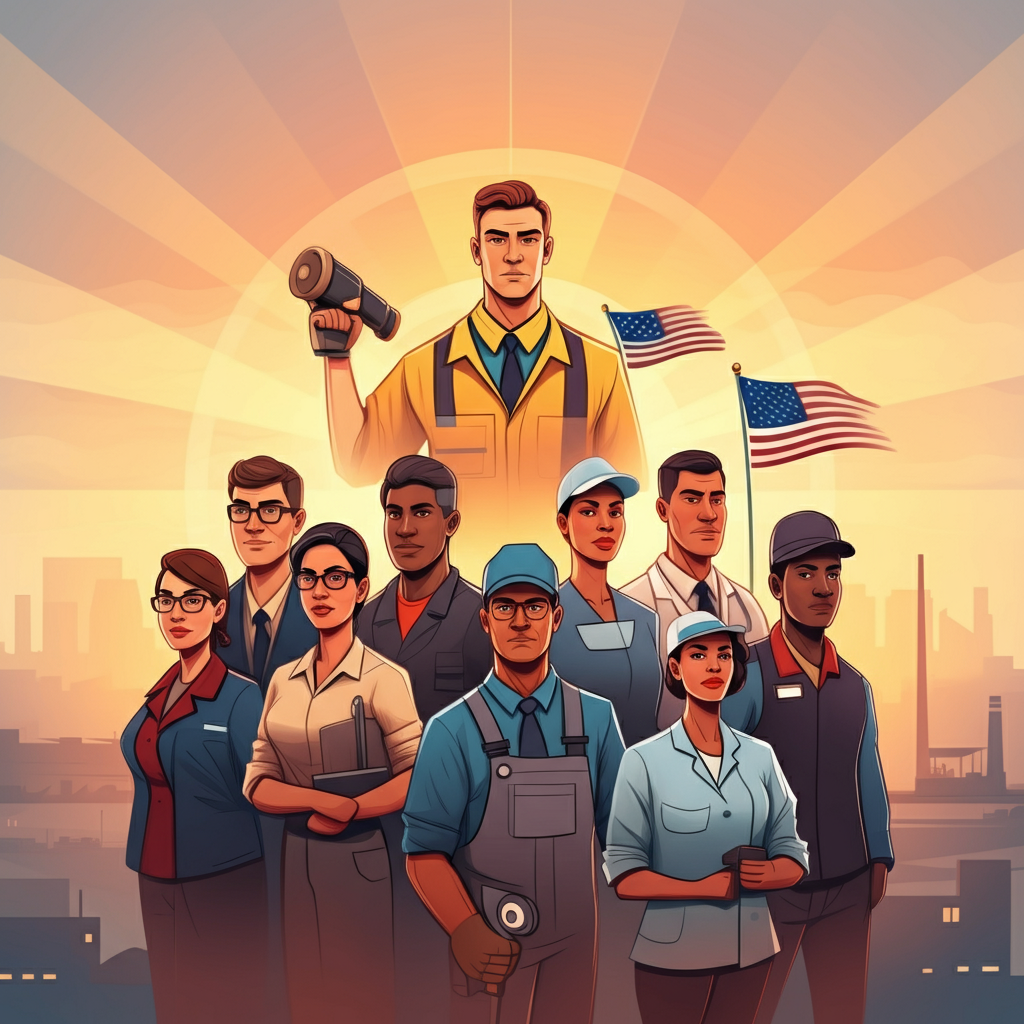
Labor Day, celebrated on the first Monday of September, honors the contributions of American workers to the nation’s prosperity and well-being. Rooted in the labor movement of the late 19th century, it emerged during a time of industrialization when workers faced harsh conditions and fought for reforms like fair wages and reasonable hours. Key events, such as the Haymarket Affair of 1886 and the first Labor Day parade organized by the Central Labor Union in 1882, laid the groundwork for its establishment as a federal holiday in 1894 under President Grover Cleveland.
The date was chosen to distinguish it from International Workers’ Day on May 1, aligning it with a uniquely American celebration of labor. Over time, Labor Day has evolved from a day of protests and parades to a broader celebration of workers’ achievements, often marked by barbecues, family gatherings, and the unofficial end of summer. While it serves as a time for leisure, it also remains a reminder of the sacrifices made by workers and the ongoing need to address labor issues like wage inequality and workplace safety. Today, it stands as a tribute to the resilience and contributions of the American workforce, past and present.