

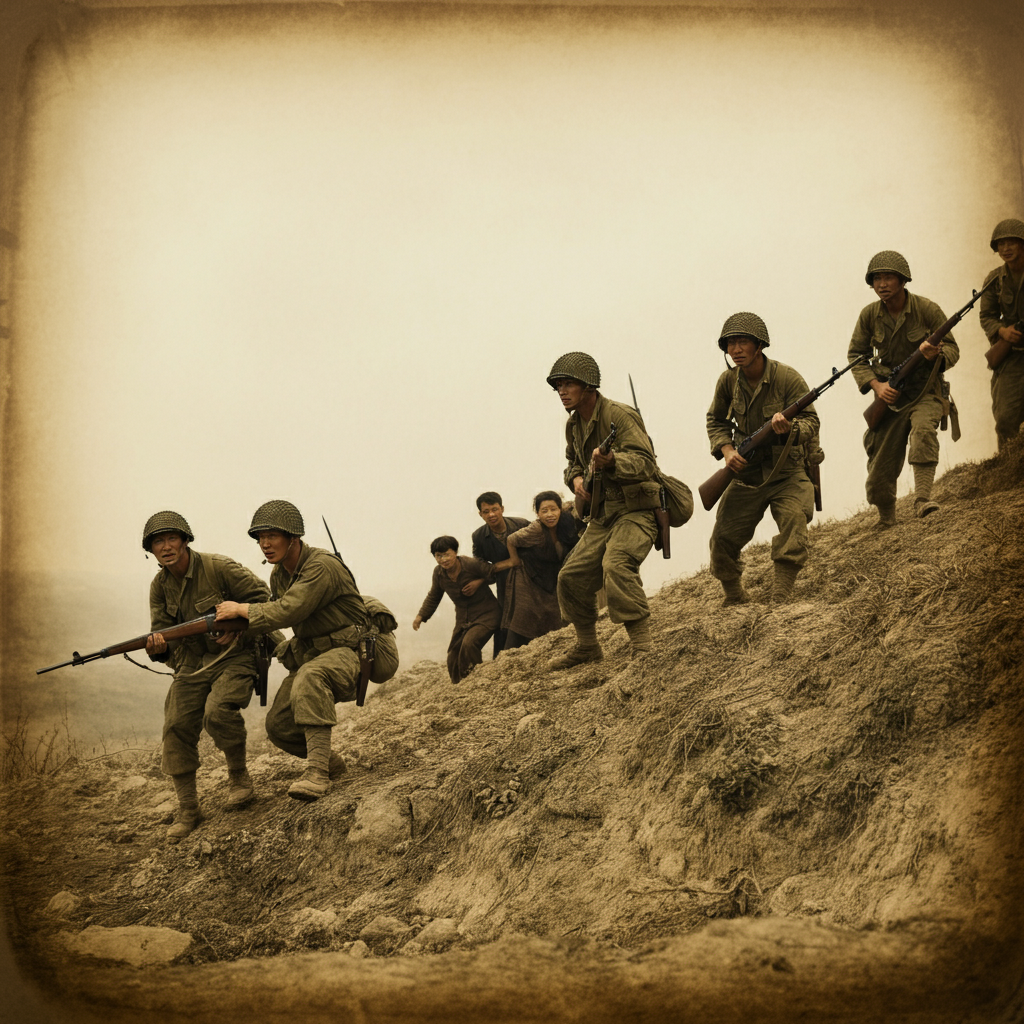
The Korean War, often referred to as the “Forgotten War,” was a significant conflict that unfolded between June 25, 1950, and July 27, 1953. It began when North Korea, backed by the Soviet Union and China, launched a surprise invasion of South Korea, aiming to unify the Korean Peninsula under communist rule. In response, the United Nations, led primarily by the United States, intervened to support South Korea. The war quickly escalated into a brutal and bloody conflict, with both sides experiencing heavy casualties and widespread devastation. The fighting saw dramatic shifts in momentum, from North Korea’s initial advances to a counteroffensive by UN forces, and later, a Chinese intervention that pushed the front lines back to a stalemate near the 38th parallel.
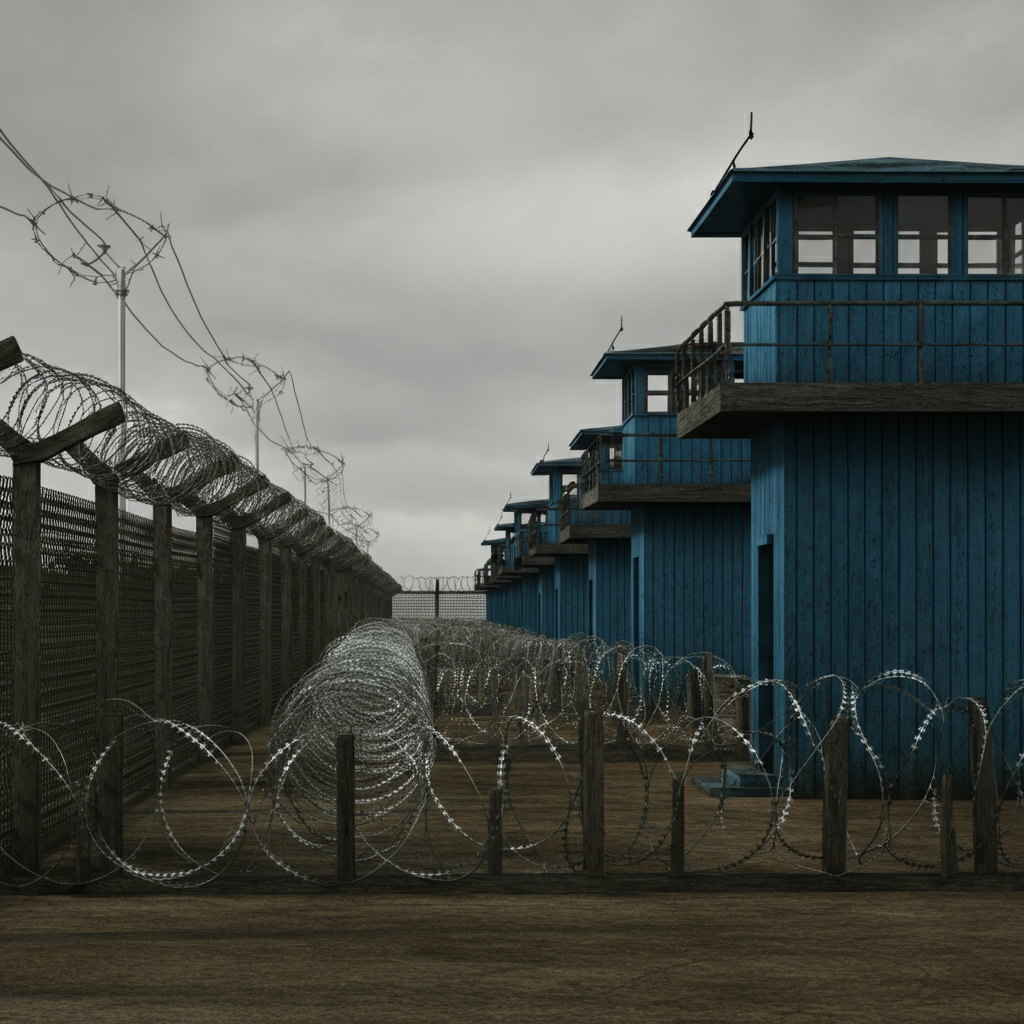
The war officially came to an end on July 27, 1953, with the signing of the Korean Armistice Agreement. This agreement established a ceasefire and created the Korean Demilitarized Zone (DMZ), a heavily fortified border that still divides North and South Korea today. While the armistice ended active combat, it did not result in a formal peace treaty, meaning the two Koreas technically remain at war. Every year on July 27th, the anniversary of the armistice is commemorated, particularly in South Korea and the United States, as a day to honor the sacrifices of those who served and to reflect on the enduring impact of the conflict. The Korean War remains a poignant reminder of the Cold War’s global reach and the ongoing quest for peace and reconciliation on the Korean Peninsula.